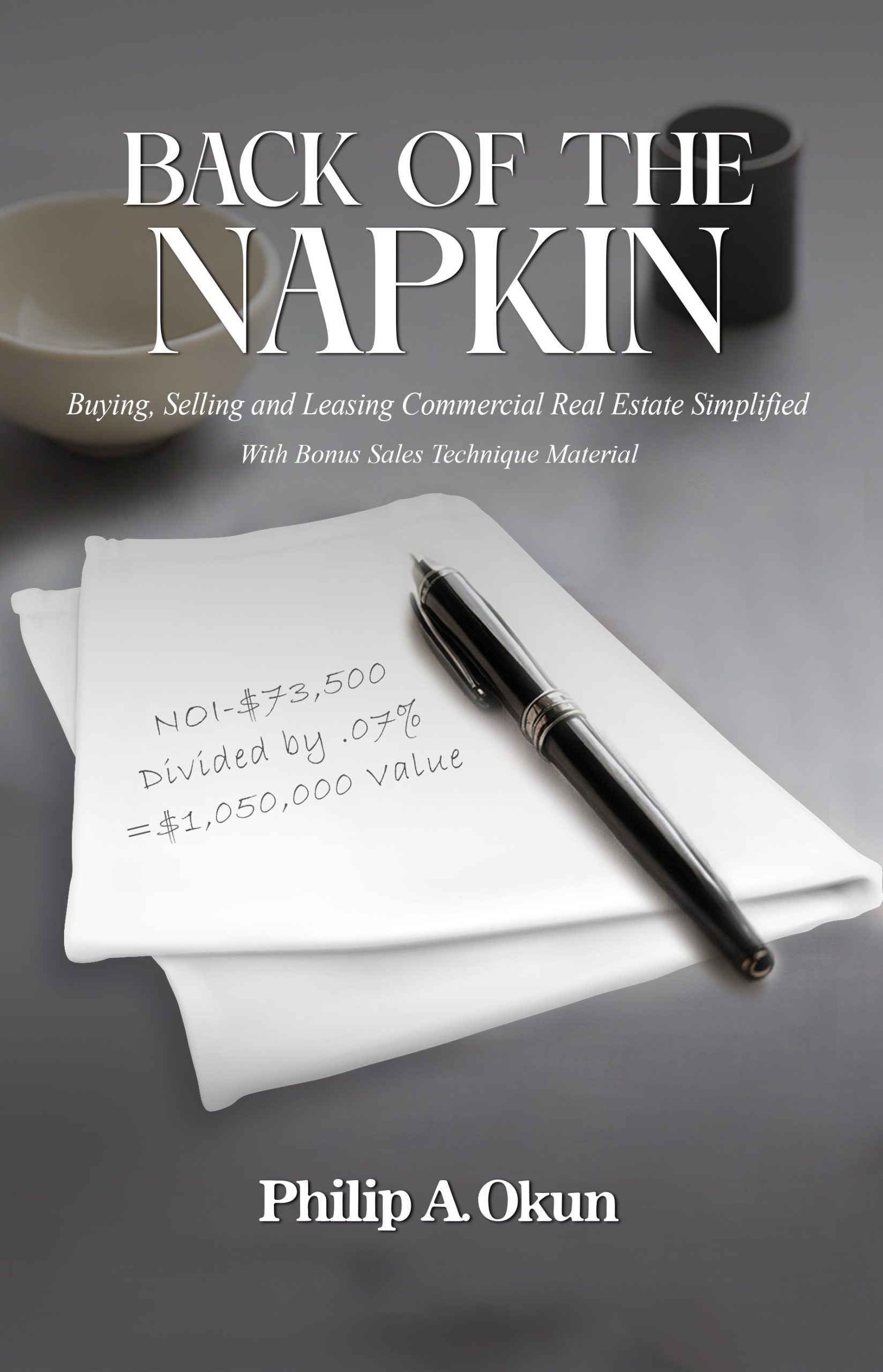
Effective property management serves as the cornerstone of success in the realm of commercial real estate investment. Property managers are tasked with a myriad of responsibilities, ranging from fostering positive tenant relationships to implementing proactive maintenance strategies and optimizing financial performance. In this comprehensive guide, we will delve deeper into the realm of property management, offering an array of practical tips and strategies for achieving excellence in this critical aspect of commercial real estate. Drawing insights from Philip A. Okun’s insightful book “Back Of the Napkin,” we will explore key principles and best practices that can empower property managers to maximize the value and profitability of their properties.
Prioritize Tenant Relations:
Establish Transparent Communication Channels: Open and transparent communication is fundamental to building trust and rapport with tenants. Property managers should ensure that tenants feel comfortable expressing concerns or issues, and that they receive prompt and attentive responses.
Cultivate Positive Relationships: Investing time and effort into building positive relationships with tenants can yield significant dividends. By demonstrating genuine care and attention to their needs, property managers can foster a sense of community and cooperation within the property.
Address Concerns Proactively: Proactive problem-solving is essential for maintaining tenant satisfaction. Property managers should strive to anticipate potential issues and address them before they escalate, thereby minimizing disruptions and fostering a harmonious environment.
Implement Proactive Maintenance Practices:
Conduct Regular Inspections: Regular property inspections are essential for identifying maintenance issues early on. By scheduling routine inspections, property managers can detect potential problems and address them promptly, preventing costly repairs and minimizing tenant dissatisfaction.
Develop Comprehensive Maintenance Plans: A well-defined maintenance plan is crucial for ensuring that all aspects of the property are properly maintained. Property managers should develop detailed schedules for tasks such as HVAC servicing, landscaping, and common area upkeep, and adhere to them diligently.
Invest in Preventive Maintenance: Proactive maintenance measures can significantly extend the lifespan of building systems and equipment. Property managers should prioritize preventive maintenance activities, such as equipment servicing and system checks, to minimize downtime and maximize efficiency.
Optimize Financial Management:
Create Detailed Budgets: A comprehensive budget is the foundation of effective financial management. Property managers should develop detailed budgets that account for all operating expenses, capital expenditures, and contingencies, allowing for better financial planning and decision-making.
Monitor Expenses Closely: Regular monitoring of financial statements and expenses is essential for identifying cost-saving opportunities and maximizing profitability. Property managers should closely track expenses and implement strategies to reduce unnecessary costs while maintaining quality standards.
Enforce Lease Terms: Strict adherence to lease terms is critical for ensuring consistent cash flow and financial stability. Property managers should enforce lease agreements rigorously, including provisions related to rent payments, utilities, and maintenance responsibilities, to minimize delinquencies and mitigate financial risks.
Stay Informed and Adapt:
Keep Abreast of Market Trends: Staying informed about market trends, rental rates, and tenant preferences is essential for making informed decisions. Property managers should regularly analyze market data and adjust their strategies accordingly to capitalize on emerging opportunities and mitigate risks.
Embrace Technological Solutions: Leveraging technology can streamline property management processes and enhance efficiency. Property managers should explore innovative software solutions and technological tools that can automate routine tasks, streamline communication, and improve operational efficiency.
Adapt to Changing Circumstances: Flexibility and adaptability are key attributes for success in property management. Property managers should remain agile and responsive to changing market conditions, tenant needs, and regulatory requirements, adjusting their strategies and tactics as needed to stay ahead of the curve.
Effective property management requires a multifaceted approach that encompasses strategic planning, proactive problem-solving, and continuous improvement. By prioritizing tenant relations, implementing proactive maintenance practices, optimizing financial management, and staying informed and adaptable, property managers can position themselves for success in the competitive landscape of commercial real estate. Drawing insights from Philip A. Okun’s “Back Of the Napkin,” property managers can gain valuable insights and strategies to navigate the complexities of property management with confidence and proficiency, ultimately maximizing the value and profitability of their properties.